Jaffna Travel Guide
This guide contains affiliate links. If you book through them we may earn a small commission, at no extra cost to you. How this works.
On this page
Jaffna, at the northern tip of Sri Lanka, is the centre of Tamil culture on the island, with a grand Hindu temple, a colonial fort, island day trips and a food scene that differs sharply from the rest of the country. This guide covers when to go, how to get there from Colombo, what to see, what to eat and how to plan a visit, whether it is your first trip or a trip home to see family.
Jaffna is a long way from the usual southern tourist route, about 395 km from Colombo, and it feels different. Visitors tend to come for the temples and festivals, the history, the islands and the cooking, and they stay at a slower pace than on a typical beach holiday.
Who this guide is for: travellers planning a first visit, Sri Lankans and members of the diaspora returning to Jaffna, and families travelling with older relatives. Where a tip matters more for one group, it is marked.
Check before you travel. Train and bus times, fares, festival dates and entry rules change. Use this guide to plan, then confirm the details with the operator or temple close to your travel date.
Best time to visit Jaffna
February to early April and June to August are the driest, most reliable months, while October to December brings the northeast monsoon and heavy rain. Jaffna's weather runs on a different calendar from the south and west coasts, where the monsoon falls between May and September, so a trip that is wet in Galle can be dry in Jaffna.
| Season | What to expect |
|---|---|
| January to March | Cooler and drier, with February often named the best month. Busy around the December and January holidays. |
| April to May | Hottest months, with highs around 32°C. Early mornings and evenings suit sightseeing. |
| June to August | Dry but hot. The Nallur festival runs into August and September. |
| September | The wet season begins to build. Good for birdwatching as lagoons fill. |
| October to December | Heaviest rain of the year. Plan for delays, and treat boat trips to the islands with care. |
- Festival season: the Nallur festival is the best-known event, running for about 25 days from August into early September. Dates change each year, so check the temple's published calendar before booking, and book stays early.
- If you must visit in the monsoon: keep your plans flexible, carry a rain jacket and check the weather before any boat crossing.
Sources differ on the exact ranking of months, and weather varies year to year, so treat this as a guide, not a guarantee.
How to get to Jaffna from Colombo
The train is the usual choice for cost and experience, a flight is fastest, and a private car gives the most flexibility. The road distance from Colombo is about 395 km. Times and prices below are approximate and come from travel sites, so confirm current schedules and fares before you book.
| Option | Typical time | Approximate cost | Best for |
|---|---|---|---|
| Train | about 6 to 10 hours depending on service | lower fares for second class, higher for air-conditioned first class | Value and a classic journey |
| Tourist bus | about 7.5 hours or more | from about 5,300 LKR | Travellers who want a direct, cheaper ride |
| Local bus | often 10 hours or more | about 1,900 LKR | The lowest cost, with less comfort |
| Private car or minibus | about 6 to 7 hours | priced per vehicle | Families, older relatives and flexible stops |
| Flight | about 75 minutes | varies by date | Saving time |

- Train: services run from Colombo Fort, with the first departures in the early morning. The Yal Devi is the best-known service on this line. It resumed on 11 May 2026, and the Northern line has been interrupted more than once since 2023 for repair work, including a closure of the Mahawa to Anuradhapura section from 19 January 2026. In October 2026 services were reported cut from 18 a day to eight, with the Yal Devi running on alternate days, so check that trains are running before you book. See the Colombo to Jaffna train guide for the current status, fares and booking. The carriages are split into classes, and four first-class compartments on the Yal Devi were reported in May 2026 to be air-conditioned and bookable in advance. Book well ahead, since night and popular services sell out. Seats can be reserved online through the Sri Lanka Railways seat reservation system.
- Break the journey: an overnight stop in Anuradhapura makes the trip shorter and adds the ancient city.
- Flight: Cinnamon Air lists flights from Colombo's Bandaranaike airport to Jaffna that take about 75 minutes, against about 9 hours by road.
- From Kandy or the hill country: you can join the northern line at Polgahawela instead of going back through Colombo.
Top places to visit in Jaffna
Start with Nallur Kandaswamy Kovil, then add the fort, the town's colonial landmarks and at least one island trip.
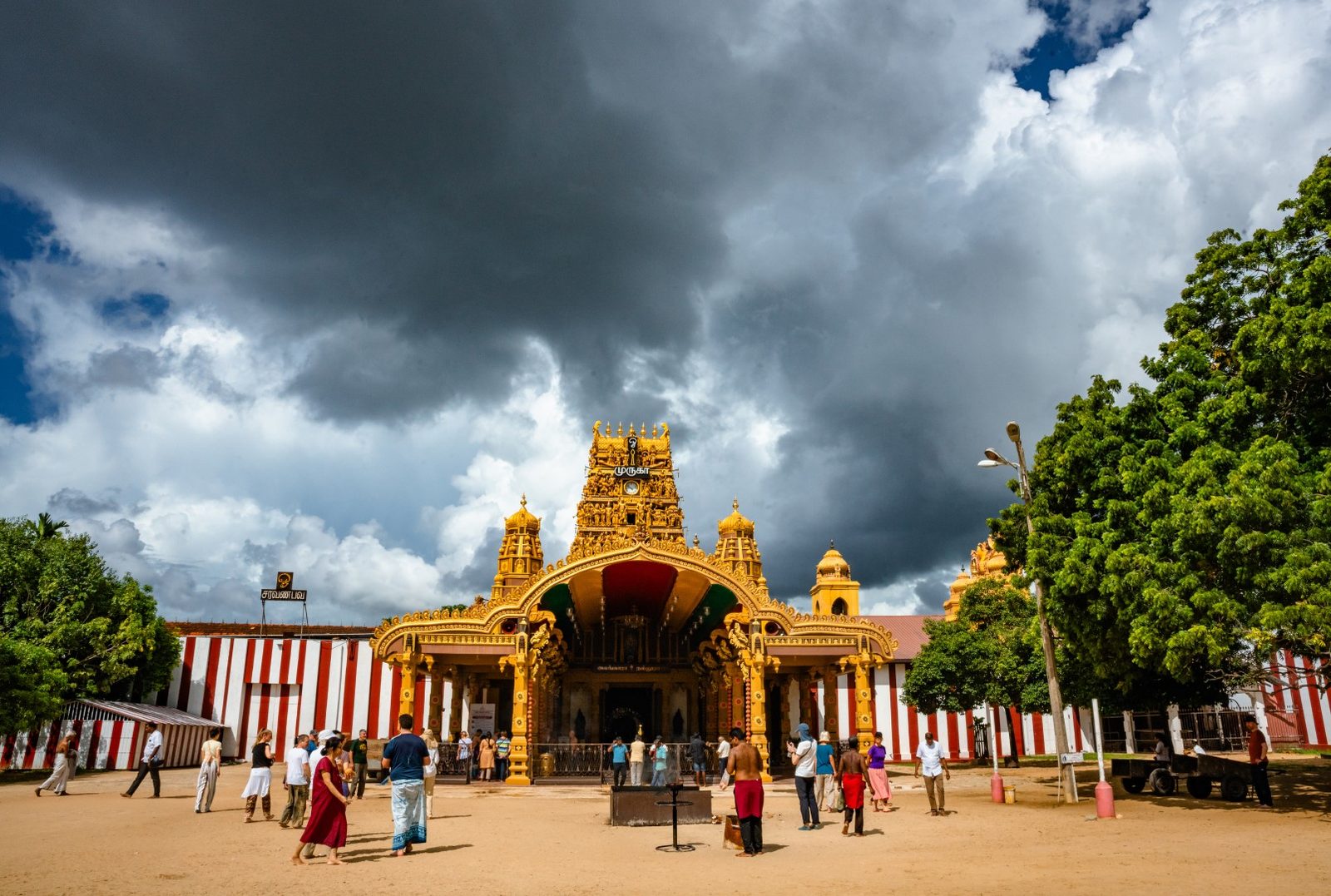
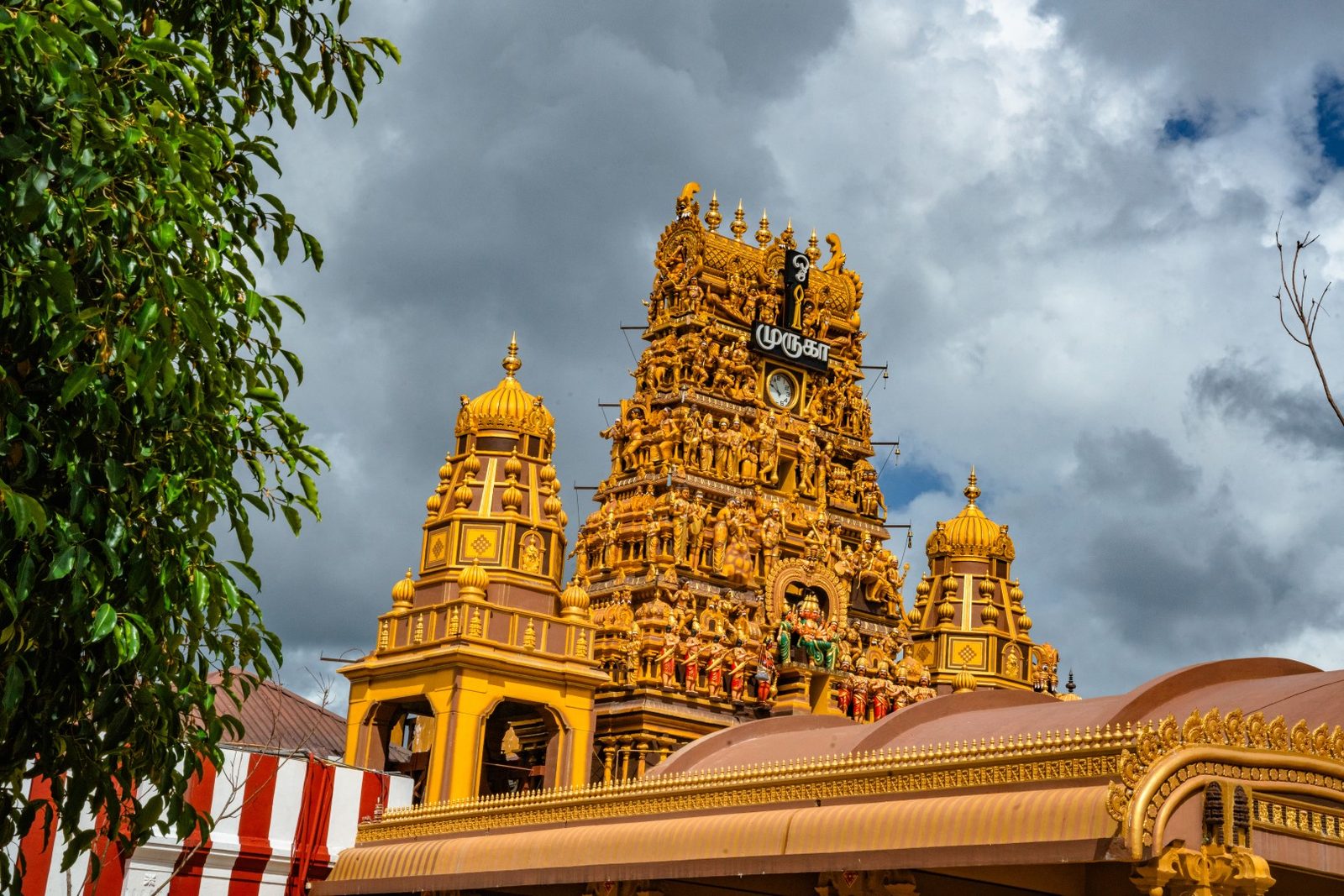
- Nallur Kandaswamy Kovil: the best-known temple in Jaffna, dedicated to Murugan, with ornate gopuram towers and a history that guides trace back to the 10th century. Morning poojas are a good time to visit. Dress rules are strict: cover your knees and shoulders, leave footwear outside, and note that men may be asked to remove shirts. Ask at the temple for current rules.
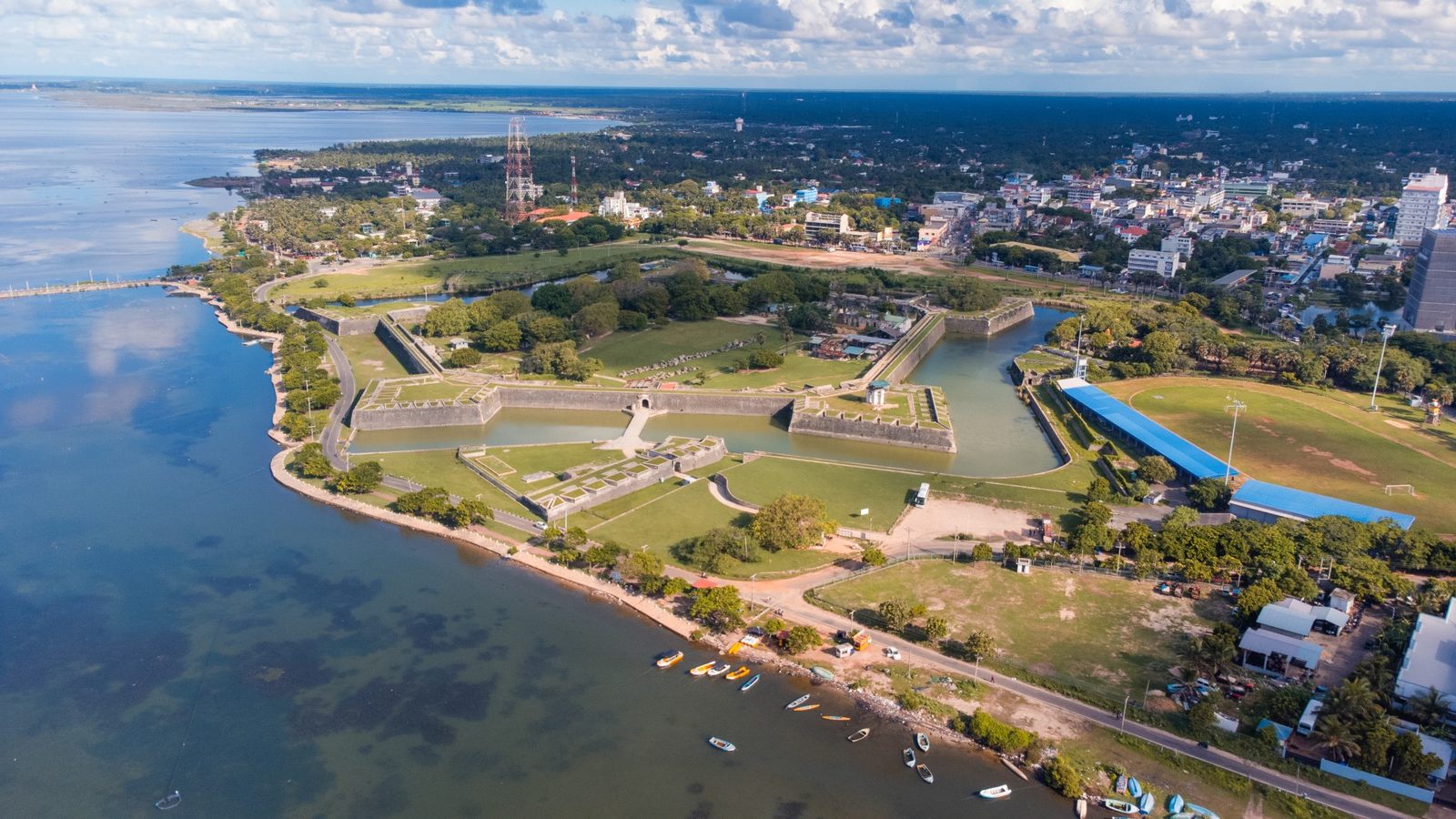
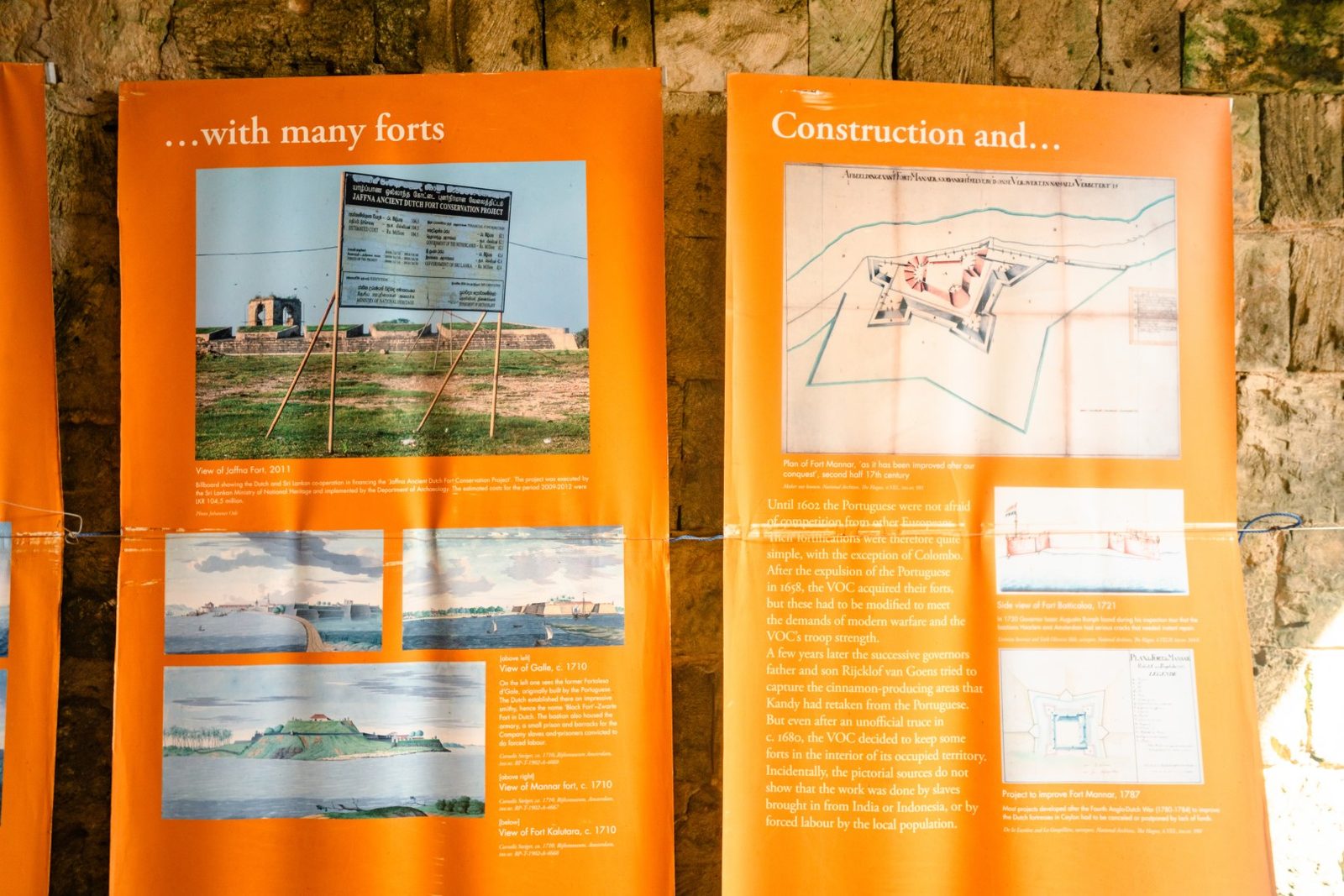
- Jaffna Fort: a colonial fort built by the Portuguese in the 17th century, with views over the city and the sea.
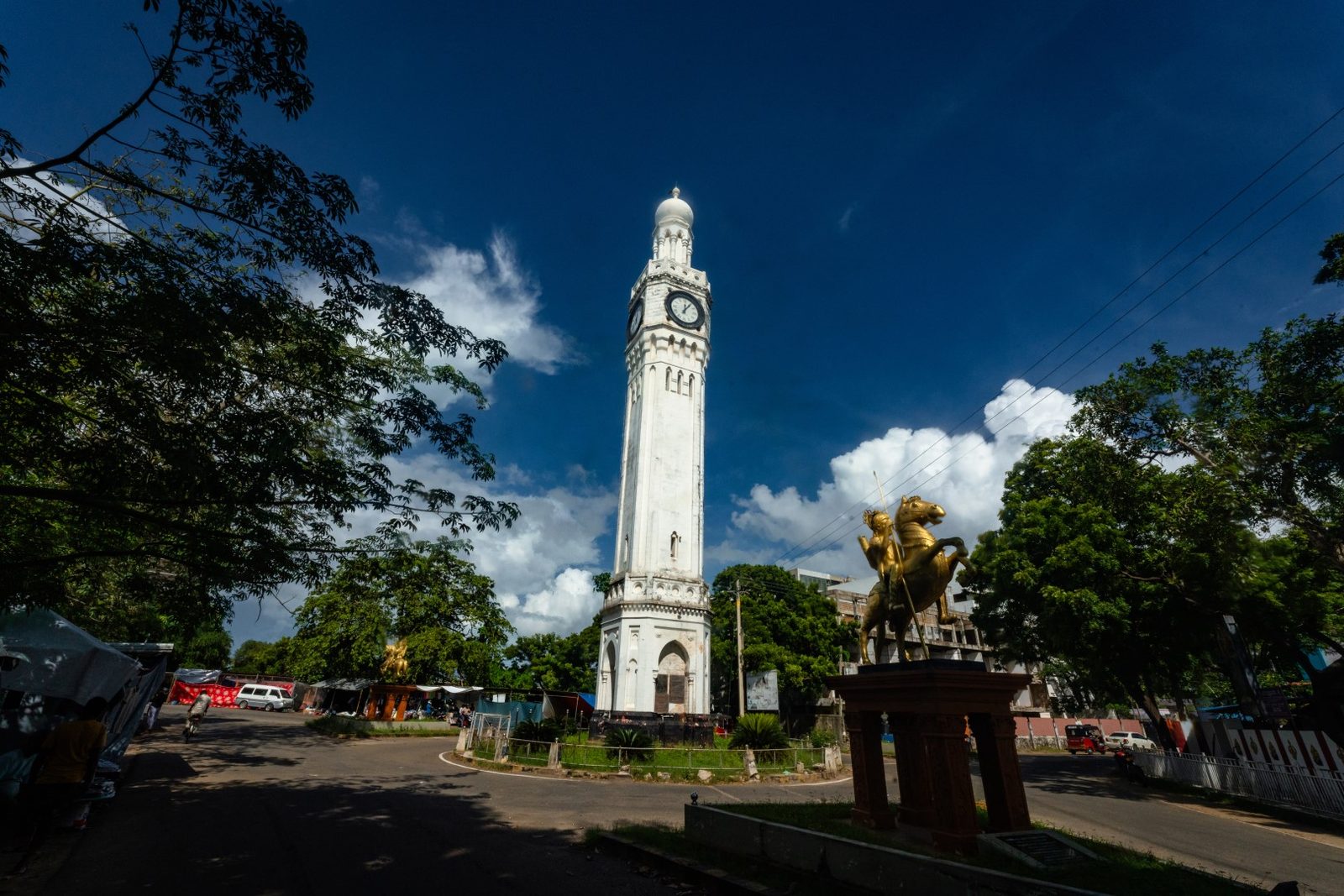
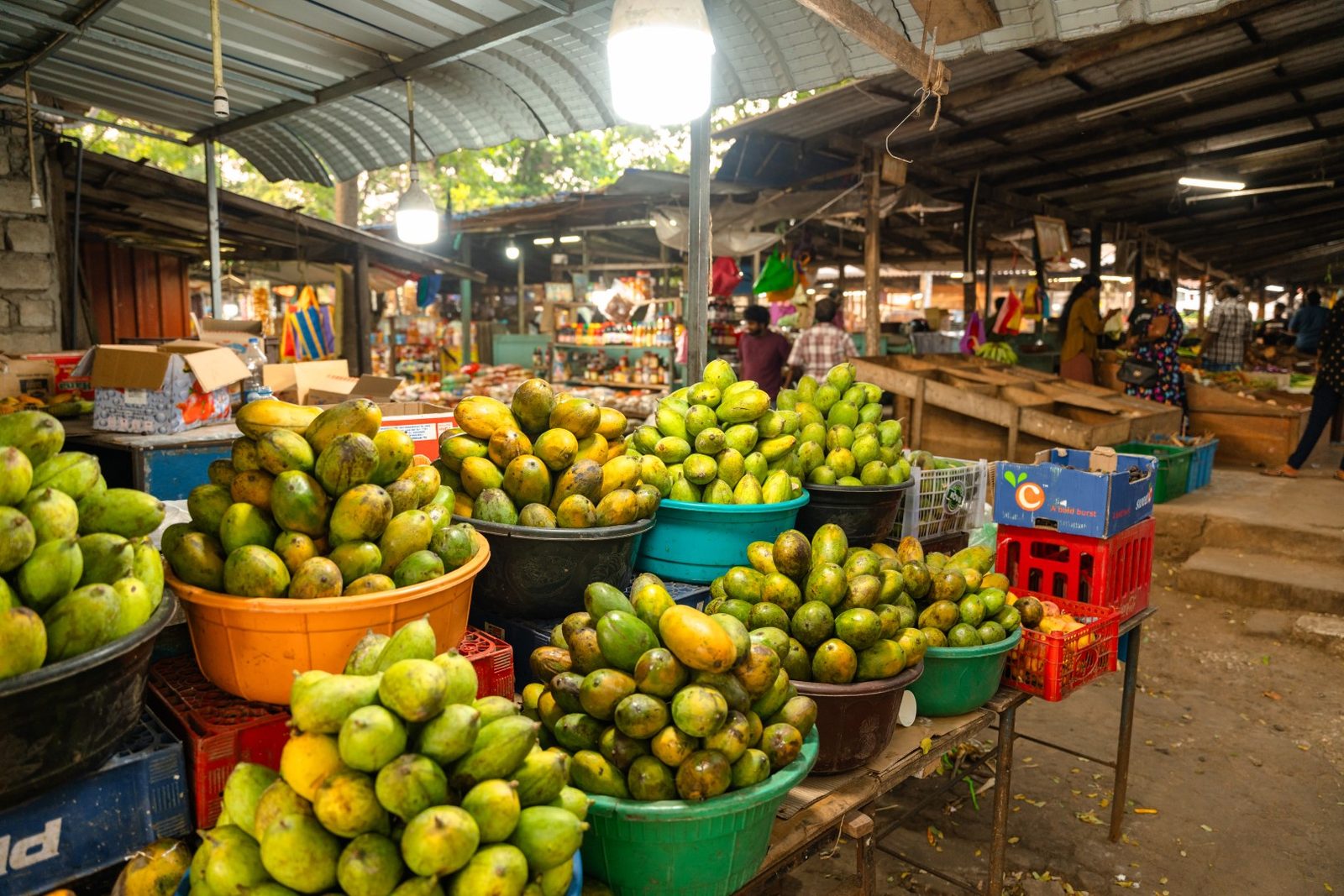
- Jaffna Clock Tower and market: the clock tower dates from 1875, and the central market is the place for fresh produce, spices and local crafts.
- Jaffna Public Library: a sensitive site for the Tamil community. Ask at the front desk before entering and be respectful.
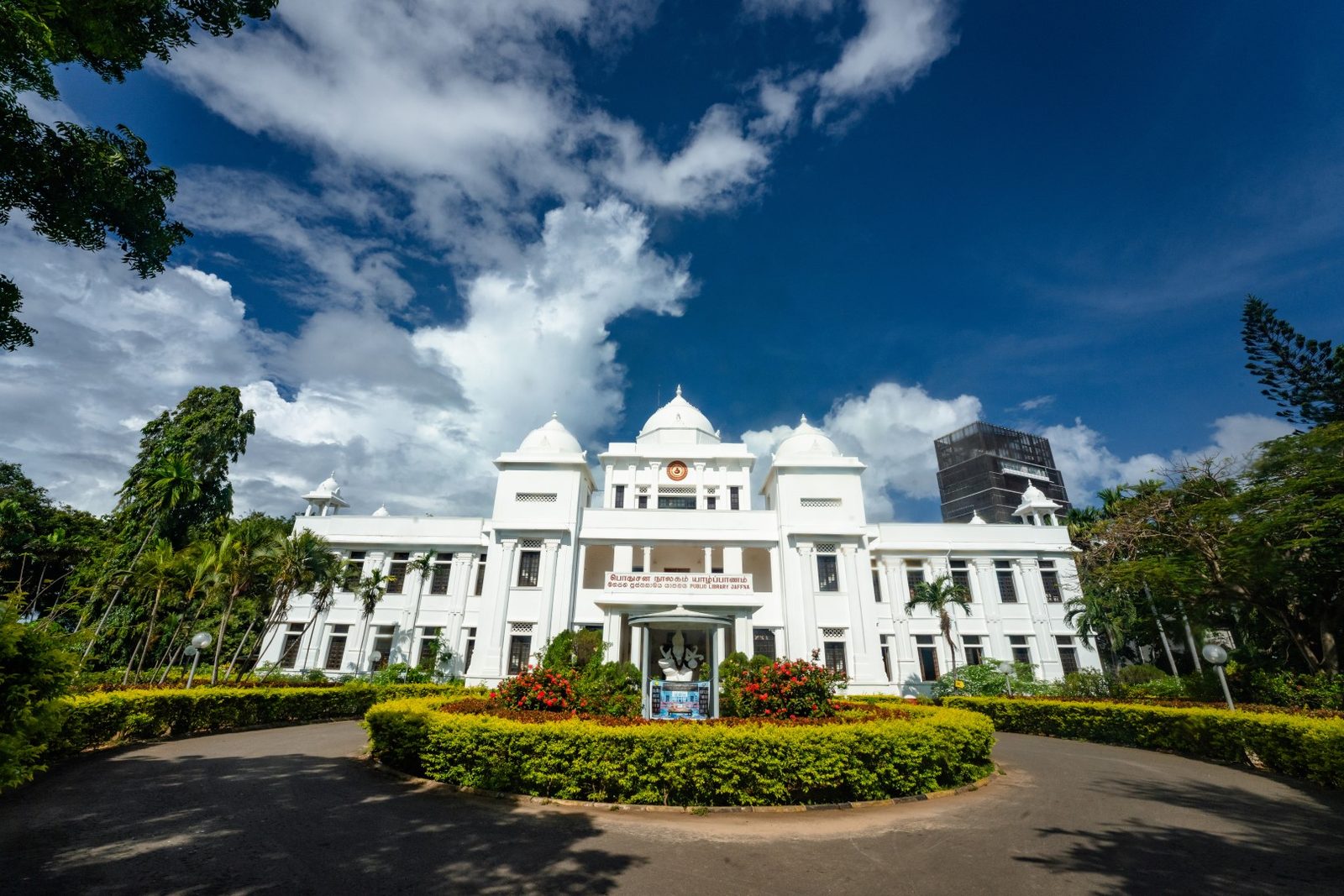
- Casuarina Beach: a quiet white-sand beach about 20 km from the city, with shallow water.
- Keerimalai springs: a freshwater spring beside the sea on the north coast, with separate bathing pools for men and women, next to the ancient Naguleswaram Kovil. Go early in the morning for a quieter visit, and combine it with a day out north of the city.
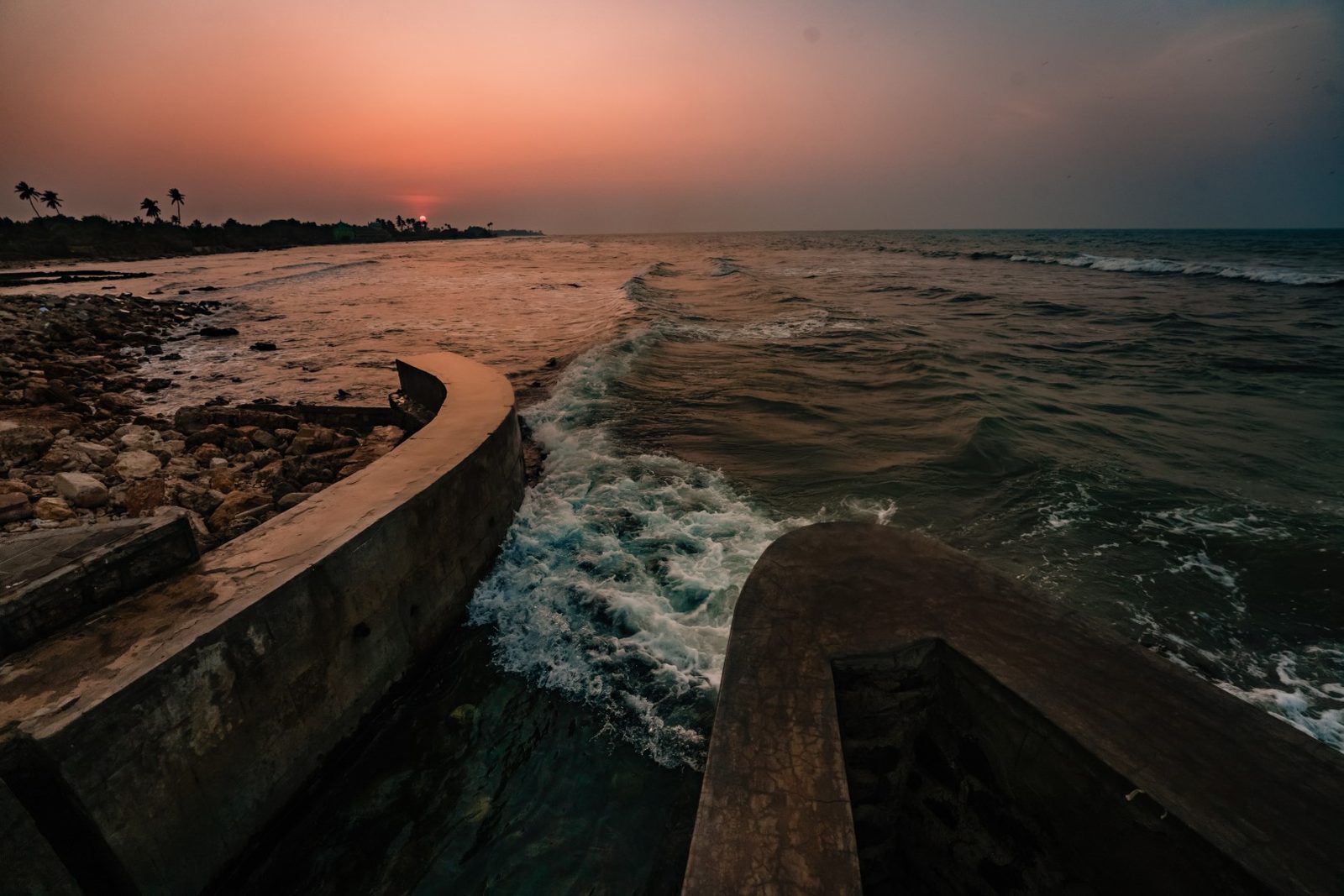
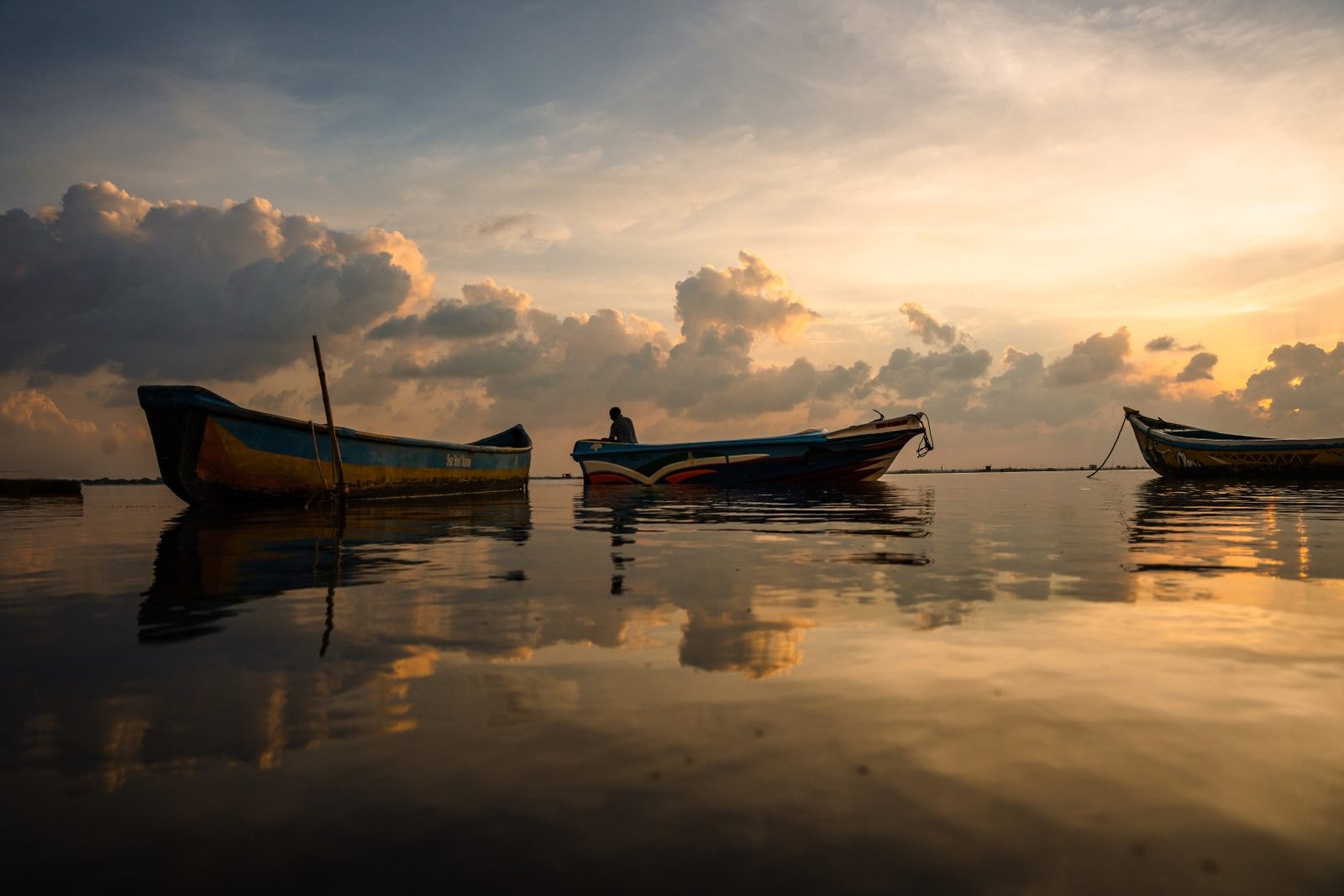
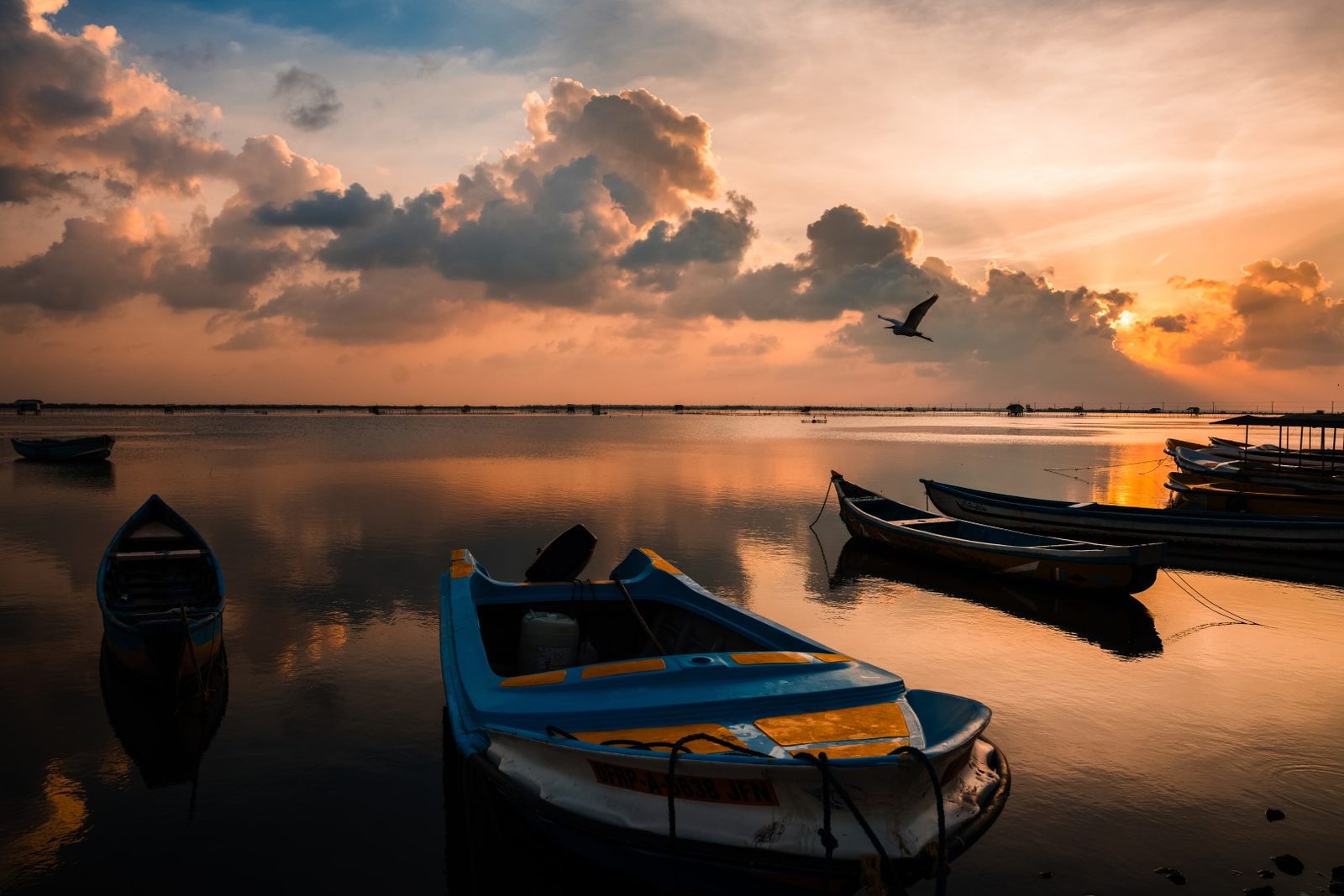
- The islands: Delft (Neduntheevu) is reached by ferry from Kurikadduwan jetty on Punkudutivu island, about an hour from Jaffna. Bus route 776 runs there from the central bus station, or you can take a tuk-tuk. Traveller reports from 2025 give morning departures at around 8:00 to 9:00 and afternoon departures at around 14:30 and 16:00, with fewer on Sundays. Times, the fare (reported as anything from free to Rs 200) and the boat itself all vary, islanders board first, and the crossing can be rough and crowded, so confirm locally before you go. Delft is known for its dusty roads and wild horses. Nainativu and the other islands have their own boats. The crossings can be unsafe in monsoon weather, so check conditions and ask locals before you go. For ferry times, fares and what to see, read our Delft and Nainativu guide. If you would rather go with a guide, GetYourGuide lists Delft and Nainativu day tours from Jaffna (affiliate link).
Food, where to stay and getting around
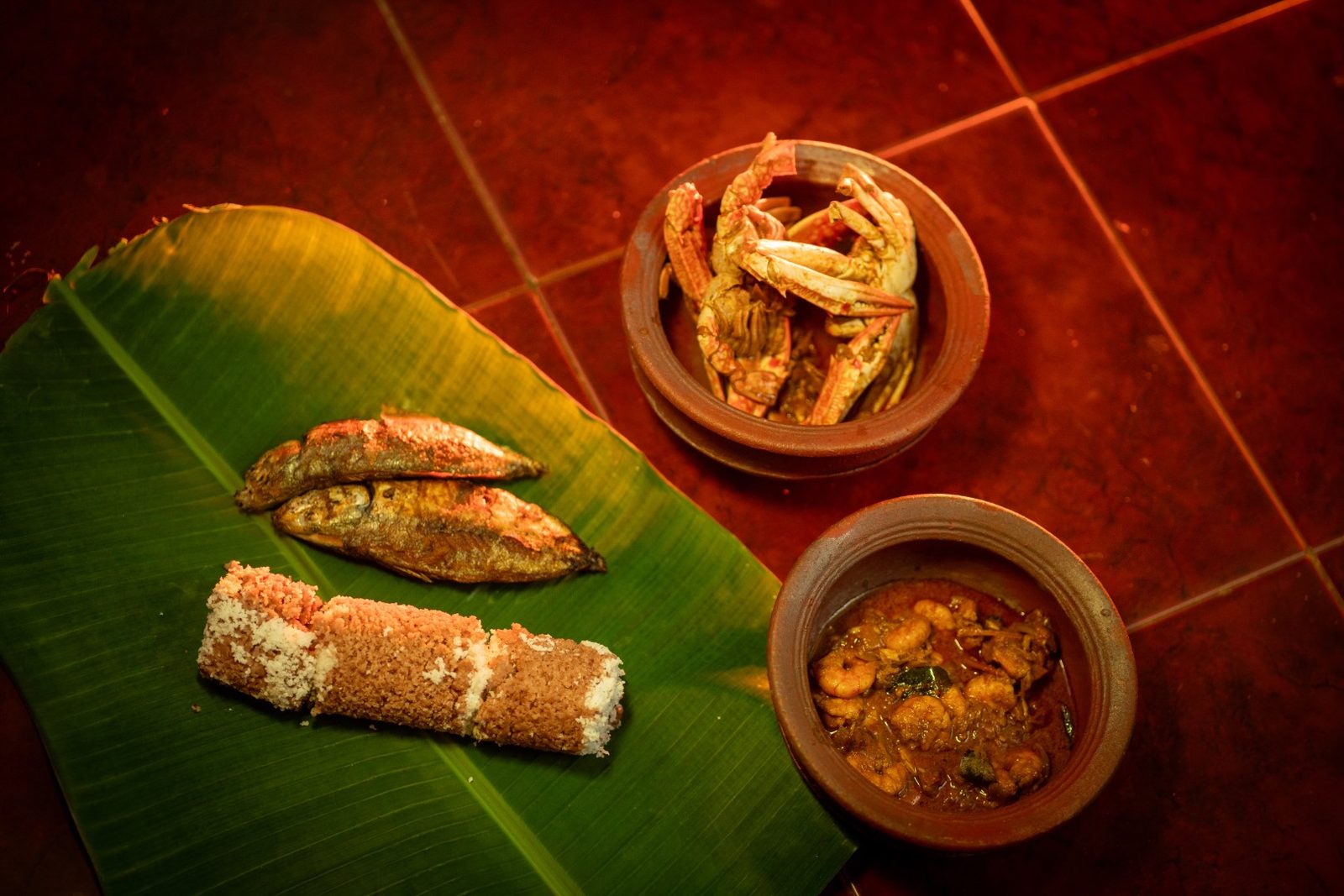
Jaffna's cooking is a reason to visit on its own. Crab curry is the dish most guides single out, and others to try are string hoppers with coconut sambol and Jaffna mango curry. Some tour operators run crab curry cooking classes if you want a hands-on session. GetYourGuide also lists cooking experiences in Jaffna, such as a traditional Tamil home cooking class with a meal (affiliate link).
Where to stay. Options run from hotels to small guesthouses and homestays. In a Google hotel search on 9 October 2026, guesthouse listings were showing roughly $20 to $40 a night, but prices vary by date and rise around festival time. Staying near the centre or Nallur keeps most sights within short rides. Book early if you are visiting in August or September. See where to stay in Jaffna for areas, prices and booking tips. To compare prices and availability for your dates, see hotels and guesthouses in Jaffna on Booking.com (affiliate link).
Getting around. Jaffna town is flat and compact, so bicycles are a practical way to see the main sites, and tuk-tuks cover longer trips. For day trips to the islands, a pre-arranged driver or a tour is easiest. You can browse Jaffna tours and activities on GetYourGuide (affiliate link). Ride-hailing apps such as PickMe are listed for Jaffna, but check that a driver is available when you need one.
Planning tips
- Dress modestly: avoid shorts, sleeveless tops and revealing clothing, especially at temples. Carry a light layer you can add to cover shoulders and knees.
- Plan around the heat: do outdoor sightseeing early or late, and keep midday for food and rest.
- Book early for festival season: stays and transport fill up in August and September.
- Allow for slower days: Jaffna rewards a relaxed pace, and the main sights fit into about three days.
- Check conditions before you travel: read your government's current travel advice, such as GOV.UK or Smartraveller, and confirm train, bus and flight times close to your date. Both warn about landmines in the north, so stay on main roads and keep out of marked mined areas and High Security Zones. Smartraveller adds that photography is prohibited in High Security Zones and that authorities may restrict foreigners' movements without notice.
- Respect sensitive places: the library and other sites tied to the region's history deserve quiet, polite visits.
- Travelling home to visit family: share the plan with relatives early, since festival dates and road or train bookings affect when families gather.
Frequently asked questions
Is Jaffna worth visiting? Yes, if you want temples, food and culture rather than beaches and resorts. It feels distinct from the rest of Sri Lanka.
What is the best month to visit? February is often named the best, with dry weather and lower humidity. June to August is also dry, though hot.
How far is Jaffna from Colombo? About 395 km by road. The train takes roughly 6 to 10 hours, and a flight takes about 75 minutes.
What should I wear at Nallur Kovil? Cover your knees and shoulders. Leave your footwear outside, and note that men may be asked to remove shirts. Check the temple's current rules.
Can I visit the islands all year? Boat trips run for much of the year, but conditions can be unsafe in monsoon weather, so check the forecast and ask locals first.
How many days do I need? Most guides plan around three days, with extra time if you add the islands or the festival.
Sources
This guide is paraphrased from the pages below, as of 10 October 2026, with the Delft, train and travel advice details updated on 16 October 2026 tour links added on 20 October 2026, and the Keerimalai entry corrected on 24 October 2026. They disagree on some figures, so use them as starting points for your own checks.
- Weather and seasons: Red Dot Tours, Weather in Jaffna and Pickyourtrail, Jaffna guide
- Nallur festival and temple rules: Wonders of Ceylon, Jaffna guide, Tales of Ceylon, Nallur Kandaswamy Kovil and Sunday Observer, Nallur festival (2018)
- Getting there: GeckoRoutes, Colombo to Jaffna, TripBase, Getting Around Jaffna and Cinnamon Air
- Sights and islands: Where Tara Went, things to do in Jaffna and Red Dot Tours, Jaffna and the North
- Keerimalai: Jetwing, Keerimalai and Sunday Observer, the legendary Keeramalai pond (2024)
- Food: Pelago, Jaffna things to do
- Delft ferry: Tripadvisor, how to get from Jaffna to Delft (August 2025) and Tripadvisor, Neduntheevu reviews
- Northern line status: News First, Mahawa to Anuradhapura line closed (19 January 2026) and News First, Yal Devi resumes (11 May 2026), Daily Mirror, Northern Line train services drop from 18 to 8 (10 October 2026)
- Travel advice: GOV.UK, Sri Lanka regional risks and Smartraveller, Sri Lanka